7 Essential Steps to Master Trading for Consistent Profits
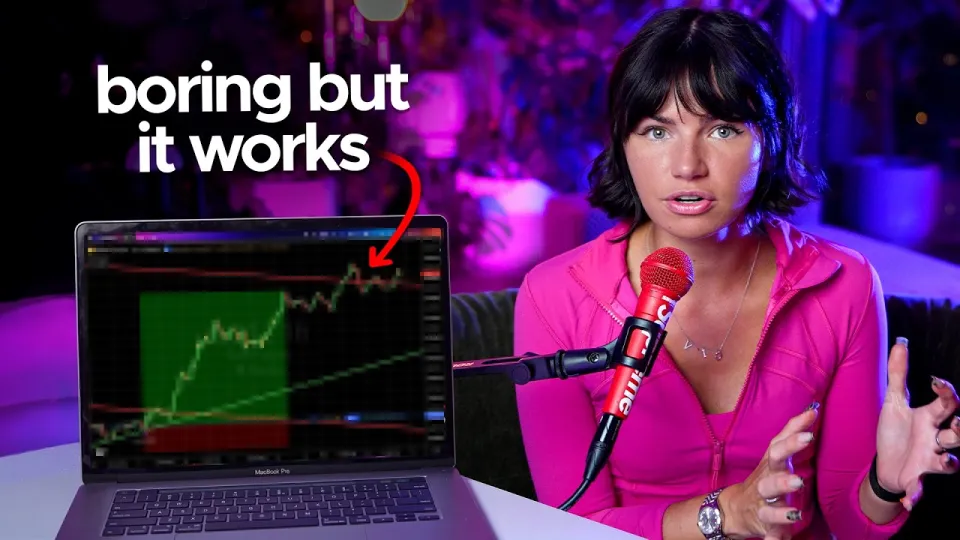
Video: Unfortunately, trading really is this simple
You can order the same kind of articles for your own video to boost it on YouTube and Google. Just message the Telegram bot @sat_sit_bot. The bot writes and publishes the articles itself (with your YouTube video embedded) on popular topical websites (no ads). Free trial — 50 articles.
· based on the channel Tori Trades
Key takeaways
- Trading does not require an economics degree or advanced math skills.
- Trendlines and liquidity concepts are crucial for futures and forex trading.
- Managing stop losses and exit strategies protects capital in volatile markets.
- Real-time trade tracking tools improve discipline and performance.
- Understanding market volatility, especially in gold futures, is vital.
Trading is often seen as complex, but mastering it boils down to a few essential steps anyone can follow. Successful trading does not require an economics degree or being a finance expert; instead, it depends on simple, disciplined strategies focused on trendlines, liquidity, and risk management. You can start applying these methods today and test them on platforms like TradingView. For exclusive resources and bonuses, join the Tori Trades waitlist.
Understanding the Basics of Trading
Trading involves buying and selling financial instruments like futures and forex contracts to profit from price movements. The futures market allows traders to speculate on assets such as commodities, indices, and currencies using leverage. Unlike stocks, futures markets can be highly volatile, especially assets like gold, which can move rapidly within seconds. Knowing the market's nature helps set realistic expectations and prepares traders for sudden price swings.
Trendlines and Their Role in Trading
Trendlines are straight lines drawn on price charts that connect highs or lows to identify the prevailing price direction. They serve as visual guides to spotting market trends and potential reversal points. The principle "the trend is your friend until the bend at the end" highlights that while following the trend increases winning chances, traders must watch for trendline breaks signaling a possible end to the trend. Drawing accurate trendlines involves connecting at least two significant points and adjusting them as new price data emerges.
Step-by-Step Trading Strategy
- Identify the trend using trendlines on your chart.
- Look for price bounces off the trendline to enter trades aligned with the trend.
- Place stop losses slightly beyond the trendline to limit losses if the trend fails.
- Manage your trade actively by watching price action and adjusting stops as necessary.
- Exit the trade when the trend shows signs of reversal or hits your profit target.
This simple system can be tested on platforms like TradingView, allowing you to backtest past price data and practice entries and exits.
Risk Management and Stop Loss Placement
A crucial part of trading is protecting your capital by setting stop losses. Stops are generally placed just beyond the trendline bounce point, but the exact distance depends on the asset's volatility. For volatile markets like gold futures, wider stops may be necessary to avoid premature exits due to rapid price swings. Always calculate your risk per trade to ensure it fits within your overall trading plan.
Common Trading Challenges and How to Overcome Them
Volatility, sudden market moves, and algorithmic trading can work against retail traders. For example, gold can shift from slow movements to rapid spikes within seconds, requiring fast decision-making and trade management. Automated trading tools and real-time monitoring can help manage these challenges. Also, some traders question where exactly to place stops or how to differentiate futures trading from stock trading; the key is understanding the unique characteristics of each market and adapting your strategy accordingly.
Useful Tools and Resources
Using trade tracking software like TradeZella helps maintain discipline by recording every trade's details and outcomes. Choosing the right broker, such as TradeStation, offers access to advanced trading features and better execution. Following experienced traders like Tori Trades on Instagram and TikTok provides valuable insights and community support.
Useful links
- Join Tori Trades Waitlist for Bonuses and Training
- TradeZella Trade Tracking Platform
- TradeStation Broker Promotion
- Tori Trades Instagram
Final Thoughts
Trading is simpler than many believe when you focus on a clear, repeatable strategy based on trendlines, risk management, and market understanding. The approach shared by Tori Trades demystifies futures trading and shows that consistent profits come from discipline, not complexity. To develop your skills further, consider joining the Tori Trades waitlist for exclusive tips and training opportunities.
Source: Unfortunately, trading really is this simple · Markdown version
Questions & answers
Do I need a finance background or advanced math skills to start trading?
No, trading can be effectively learned without an economics degree or advanced math. The key is understanding basic concepts like trendlines, risk management, and market behavior.
How do I decide where to place stop losses in trading?
Stops should be set just beyond the trendline or support/resistance levels to limit losses if the market moves against you. The exact distance depends on the asset's volatility and your risk tolerance.
What makes futures trading different from stock trading?
Futures often involve leveraged contracts on commodities or indices and can be more volatile than stocks. Market algorithms and rapid price movements require more active management and understanding of specific futures market dynamics.
Can trading strategies always predict market moves accurately?
No strategy guarantees success every time. Markets, especially volatile ones like gold futures, can move unpredictably. Effective trading involves managing risk, adapting to changing conditions, and using strategies that work over time.